Cloneables · Categories

Filters Webflow Cloneables

Explore a range of Filters Webflow Cloneables to easily implement filter functionalities on your website. Enhance user experience and organize content effectively with these cloneables.

5 cloneables

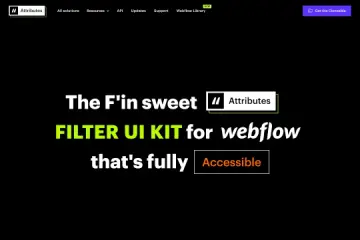
Finsweet CMS Filtering
Finsweet CMS Filtering Enhance your Webflow site with Finsweet advanced filter Webflow cloneable. Create dynamic filtering systems effortlessly with search, sort, and load functions using JavaScript libraries. Elevate user experience with interactive filters like dropdowns, checkboxes, and radio buttons. Perfect for CMS Collection List customization.

Clone
CMS Filtering & UI
CMS Filtering & UI Discover a Webflow cloneable with advanced CMS filtering capabilities. Perfect for UI design and customization. Easily create a dynamic website with this Web Design tool.
Clone
Finsweet Attribute Combinations
Finsweet Attribute Combinations Discover the Finsweet attribute combinations Webflow cloneable for advanced website functionality. Create filters, dynamic tabs, and more to enhance user experience with this powerful tool. Optimize your Webflow projects now.
Clone
Finsweet Accessible Form Components
Finsweet Accessible Form Components Elevate your website's user experience with Finsweet Accessible Form Components Webflow cloneable. Create accessible form elements like radio buttons, checkboxes & dropdowns with ease. Enhance design and functionality for all users.
Clone

Questions about Filters cloneables

How can you apply filters to CMS collections in Webflow?

You can apply filters to CMS collections in Webflow by using the built-in Collection List settings. Select the Collection List, go to the "Filter" section in the right panel, and set conditions based on fields like categories, dates, or custom values. For more advanced filtering, use Finsweet’s CMS Filter, which enables multi-filtering and dynamic search. Webflow Logic or custom JavaScript can also enhance filtering capabilities. For a ready-to-use solution, explore Webflow cloneables that feature pre-configured CMS filters.

What are some effective ways to implement filters in Webflow for dynamic content?

Webflow filters for dynamic content can be implemented using CMS Collections and tools like Finsweet’s CMS Filter or Jetboost for no-code filtering. Webflow’s built-in filtering allows basic conditional visibility, but for advanced filtering with multiple criteria, custom JavaScript or third-party integrations work best. Using Finsweet’s CMS Filter, you can create category, tag, or search-based filtering with ease. Jetboost provides real-time on-page filtering without page refresh. Combining these methods with Webflow interactions ensures a seamless user experience while browsing filtered content dynamically.

What are the most popular Webflow cloneables that feature advanced filtering functionality?

The Top Webflow Cloneables Featuring Advanced Filtering Functionality

For those looking for advanced filtering functionality in Webflow, the following cloneables offer powerful solutions:

 Finsweet Advanced CMS Filter Webflow Cloneable: Dynamic CMS Filtering

  • URL: View Cloneable
  • This cloneable allows users to implement dynamic CMS filtering, enabling seamless content organization based on user preferences. Ideal for blogs, product listings, and large CMS-driven websites.

Webflow Cloneable CMS Filtering: UI Design & Customization

  • URL: View Cloneable
  • Focused on both functionality and design, this cloneable provides filtering capabilities with customizable UI elements, ensuring that users can match the filter design to their website aesthetics.

Finsweet Attribute Combinations Webflow Cloneable for Advanced Functionality

  • URL: View Cloneable
  • A highly flexible filtering solution, this cloneable expands functionality by allowing users to apply multiple filter attributes simultaneously, perfect for eCommerce stores, portfolio sites, and category-based content.

Use Cases

  • eCommerce Product Filtering – Improve product discovery by filtering based on various attributes such as size, color, or price.
  • CMS-Driven Content – Enhance user experience by dynamically displaying relevant blog posts, articles, or case studies.
  • Portfolio Filtering – Allow visitors to refine projects based on categories, industries, or design styles.